

Should You Buy a Liquor Store in 2026? A Clear, Data-Backed Guide for New Investors
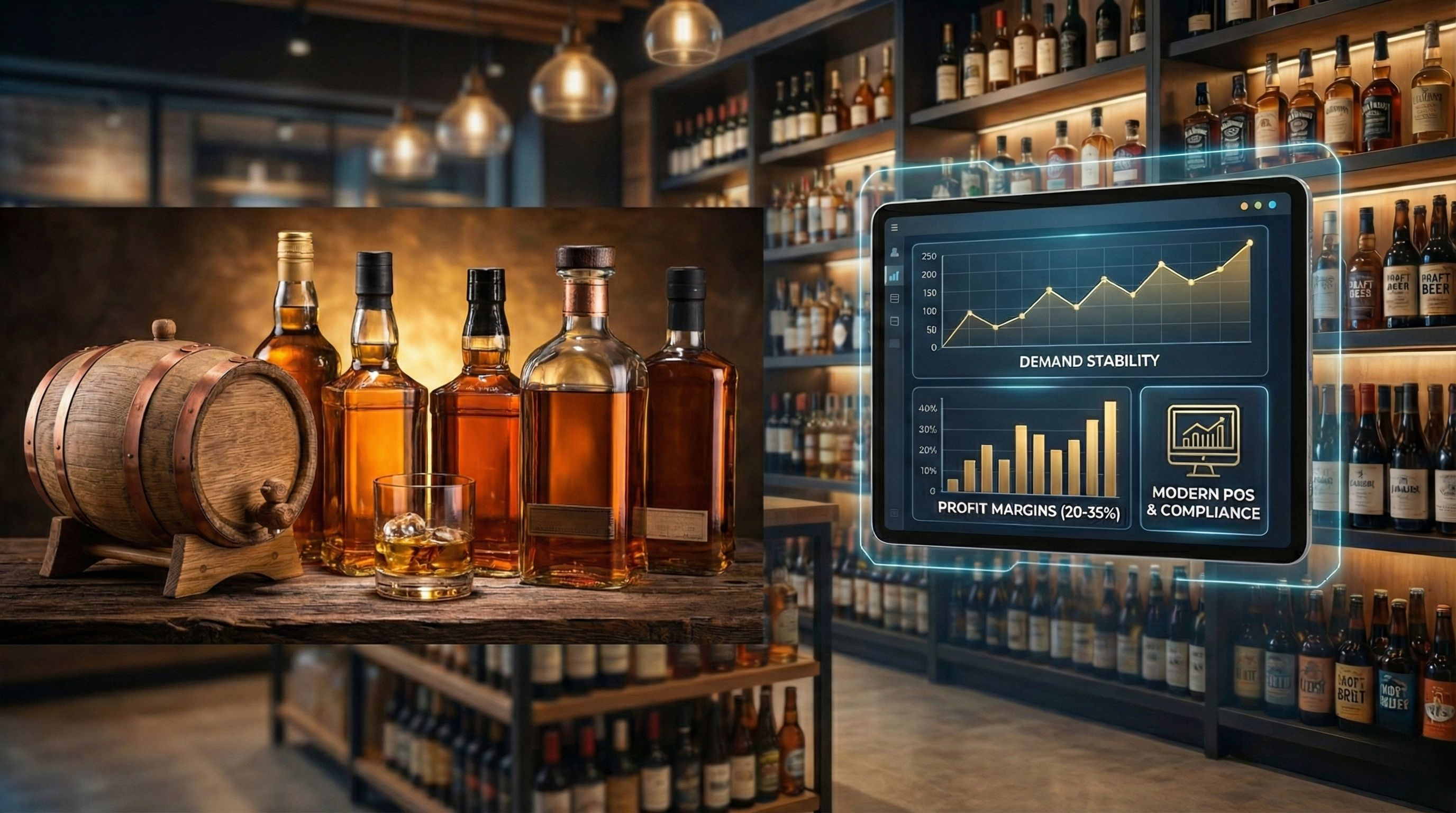
If you’ve spent any time on Reddit’s threads, Liquor Association forums, or small-biz investment groups, you’ll notice one recurring theme:
Buying a liquor store is one of the most debated small-business investments in America.
Some swear by it — steady demand, predictable margins, and long shelf life. Others say it’s a job disguised as a business, tied heavily to regulation, inventory management, and long hours.
So what’s the real answer?
And more importantly…
Does buying a liquor store in 2026 still make sense?
This guide breaks down motivations, market realities, risks, numbers, and who’s best suited to run a liquor store—based on U.S.-only data, real owner experiences, state-by-state factors, and trends heading into 2026.
1. Why People Want to Buy Liquor Stores in 2026
Owners consistently point to five motivations:
1.1. Steady Demand — Even in Downturns
Alcohol isn’t immune to recession, but it is relatively resilient.
Demand shifts (premium → affordable, bars → home consumption), but it rarely collapses. That’s why many investors view liquor retail as “semi-recession resistant.”
1.2. Predictable Margins
Most U.S. independent liquor stores run:
- 20–35% gross margins
- 8–12% net margins after rent, utilities, payroll, and shrink
Margins are tighter in beer, better in wine, and best in premium spirits.
1.3. Minimal Spoilage Compared to Food Retail
No lettuce going bad. No nightly bakery waste.
Most spirits have years-long shelf life.
Inventory ties up cash, but it rarely expires.
1.4. Community Business + Owner Identity
Many owners enjoy becoming the familiar neighborhood face.
Liquor stores tend to have:
- Regulars
- Predictable weekly cycles
- Strong holiday season upticks
1.5. “Buy Yourself a Business” vs Build From Scratch
Most buyers look for:
- A profitable store
- With existing foot traffic
- With transferable liquor license
- In a safe/heavy-consumption area
For a first-time small-business buyer, it’s appealing: no need to build demand from zero.
2. Where Liquor Stores Actually Make Sense (Geographic Reality)
Not all U.S. states offer equal upside.
2.1. Top 5 States by Liquor (Spirits) Consumption
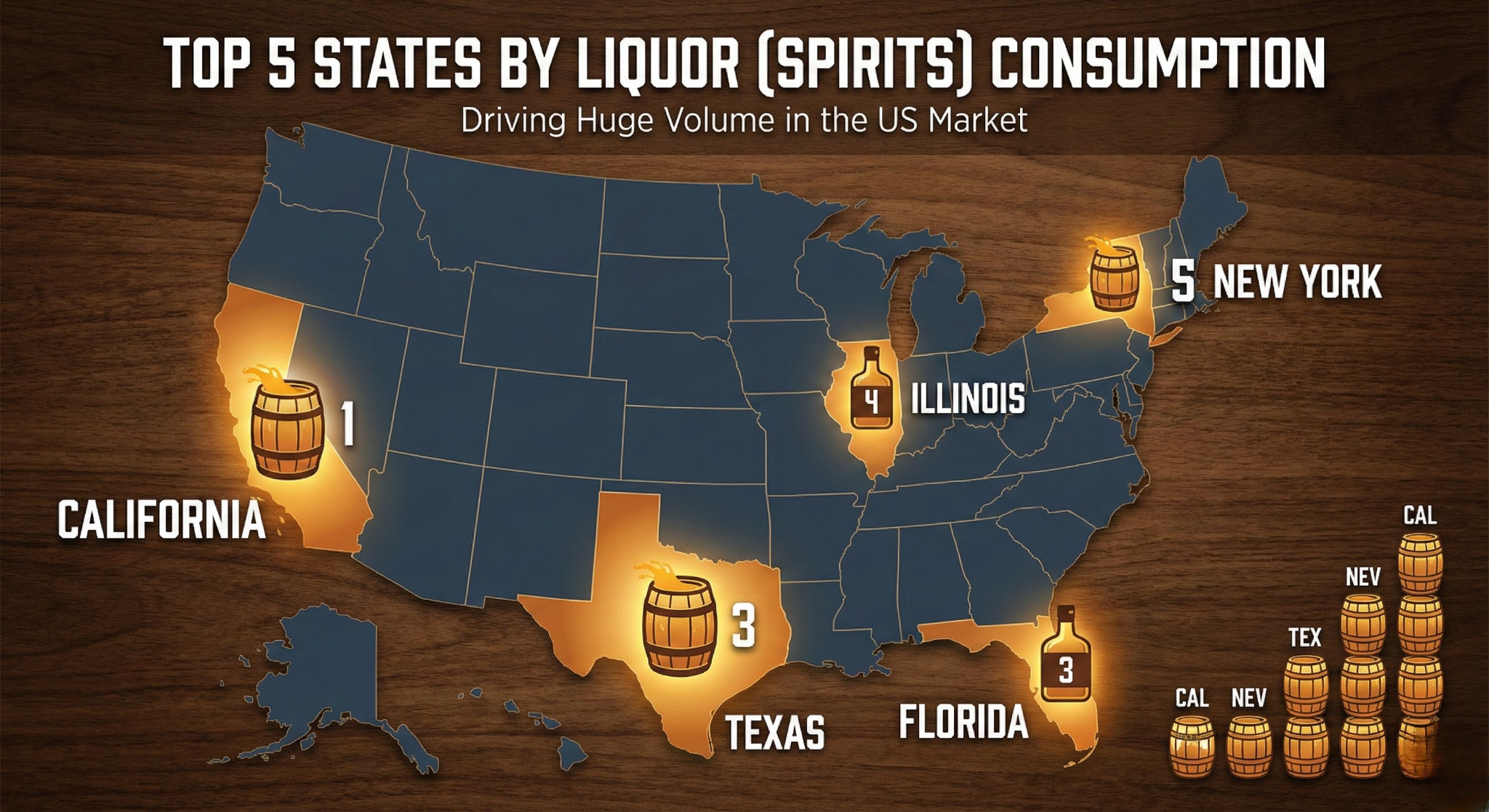
These states drive huge volume:
- California
- Florida
- Texas
- New York
- Illinois
Population, tourism, and large metros make these states prime territories.
2.2. Highest Per-Capita Alcohol Consumption States
These surprise some buyers:
- New Hampshire (zero sales tax, cross-border demand)
- Delaware
- Nevada (tourism)
- Washington D.C.
- Wisconsin / Rhode Island
If you’re buying a store here, high consumption demand supports pricing, volume, and product mix depth.
2.3. Control vs. Non-Control States
If you plan to own a liquor store, this matters.
- Control States (e.g., Utah, New Hampshire, Pennsylvania):
The state controls liquor distribution/retail. Private ownership is limited or regulated tightly. - Non-Control States (majority):
Fully private retail allowed. More competition but more opportunity.
2.4. Local Policy Trends
States and cities are rethinking alcohol outlet density.
Example: NYC exploring reducing liquor store density due to public health concerns.
Meaning in 2026:
Location risk matters more than ever. Over-saturated corridors may face future policy pressure.
3. What You Must Consider Before Buying a Liquor Store
Here’s the part most first-time buyers underestimate.
3.1. Licensing
Every state handles liquor licenses differently:
- Transferable vs. non-transferable
- Quota systems
- Zoning restrictions
- Community board approvals
- Annual renewals & conditions
Your entire deal can hinge on a license transfer. Here is a state-by-state liquor license guide.
3.2. Financial Due Diligence
Request minimum 3–5 years of:
- Tax returns
- P&Ls
- Sales reports by category
- Inventory aging reports
- Credit card vs cash split
Red flags include:
- Declining year-over-year revenue
- Excessive “cash sales” manipulation
- Low inventory levels (store may be underfunded)
- High shrink (liquor theft is real)
3.3. Working Capital
Liquor distributors in many states require:
- COD (Cash on Delivery)
- No net-30 or net-60 terms
- Weekly ordering cycles
Meaning: Your cash is locked in inventory.
3.4. Store Location Realities
A liquor store’s performance is driven by:
- Traffic flow (drive-by + walk-in)
- Parking availability
- Neighborhood demographics
- Proximity to competition
- Tourism or seasonal patterns
Smart buyers sit outside the store for 2–3 hours across multiple days to count customers.
3.5. Operational Workload
Reddit owners emphasize:
“This is not passive.
You work nights, weekends, holidays, and deal with drunks + thieves + regulators.”
Expect:
- Long hours
- Inventory-heavy operations
- Camera monitoring
- Shrink management
- Cash-handling risks
You can hire staff, but only after dialing in processes.
4. Who Should Buy a Liquor Store in 2026?
Great Candidates
- Hands-on operators (first 2–3 years)
- Owners of delis, convenience stores, gas stations, food trucks
- Multi-unit buyers familiar with retail margins
- Buyers with strong inventory discipline
- Investors looking for cash-flow + real estate combo
Not a Good Fit
- People seeking passive small businesses
- Those uncomfortable with regulation
- Buyers without cash reserves (COD model = heavy upfront inventory)
- Anyone who won’t work peak hours or handle shrink control
5. The Math: How to Quickly Evaluate a Liquor Store Deal
Here’s the simplest framework.
Step 1: Rebuild SDE (Seller’s Discretionary Earnings)
Take:
- Net profit
- Owner salary
- Personal perks (car, phone, insurance)
- One-time expenses
This gives real earning power.
Step 2: Compare Price-to-SDE
Most independent liquor stores sell at:
- 1.5x – 3x SDE
(High-demand areas may command more.)
If a store is priced above 3x SDE, ask why.
Step 3: Manager vs Owner-Operator Reality
If you plan to hire a manager, subtract:
- $50k–$70k salary
If SDE disappears or falls too low, it’s not an investment—it’s a job.
Step 4: Stress Test
Run numbers at:
- –10% revenue
- –15% revenue
If cash flow collapses, negotiation or walk-away is wise.
6. Major Trends Shaping the Liquor Store Market in 2026
6.1. Stable but Shifting Demand
- Spirits remain strong
- RTDs (Ready-to-Drink cocktails) continue growing
- Craft beer flat-to-declining
- Wine demand softens in many metros
6.2. Card vs Cash
Digital payments now dominate most major states—affecting:
- Chargeback risk
- POS requirements
- Fraud prevention
- Cash drawer losses
6.3. Customer Loyalty and Basket Expansion
Stores that win in 2026 will:
- Build loyalty programs
- Push bundles (whiskey + mixer + cigar)
- Use kiosks or POS-driven promos
- Increase ATV with curated assortments
6.4. Tech Adoption Increasingly Predicts Success
Modern liquor stores are moving toward:
- Modern POS systems
- Case-to-bottle inventory tracking
- Age-verification workflows
- Self-checkout kiosks for small baskets
- Multi-store visibility
- Real-time pricing and promotions
Retailers who digitize outperform those who rely on notebooks or old registers.
7. Should YOU Buy a Liquor Store in 2026? Final Decision Framework
Here are the four questions that cut through everything.
1. Are you ready to operate, not just invest?
If yes → your odds improve dramatically.
2. Is the store in a high-demand state, city, or demographic?
Check if you're buying in:
- A top-volume state
- A high per-capita consumption zone
- A non-control or favorable license environment
3. Do the numbers hold after subtracting a manager salary?
If SDE evaporates → it’s not a business, it’s employment.
4. Does the store have modern systems?
A liquor store with:
- A modern POS
- Case-to-bottle tracking
- Age-verification
- Multi-store/centralized controls
- Security integration
…will outperform manual operations every single year.
Conclusion: Liquor Stores Can Be Great — but Only If…
A liquor store can be:
- A stable, steady cash-flow business
- A recession-resilient investment
- A great community business
- A strong foundation if paired with the right location and systems
But it can also be:
- A grind
- A compliance headache
- A margin-squeeze if poorly run
- A risky buy in control states or saturated corridors
The bottom line?
Buying a liquor store in 2026 is not about the industry.
It’s about your location, your license, your numbers, and your ability to run tight retail operations.
If you combine those with modern tech—inventory, age-verification, kiosks, and a fast POS — you dramatically increase your odds of building a profitable, durable liquor retail business.


Sahana is a seasoned GTM leader with a passion for building startups. She excels in crafting GTM strategies for tech products, driving revenue growth.